
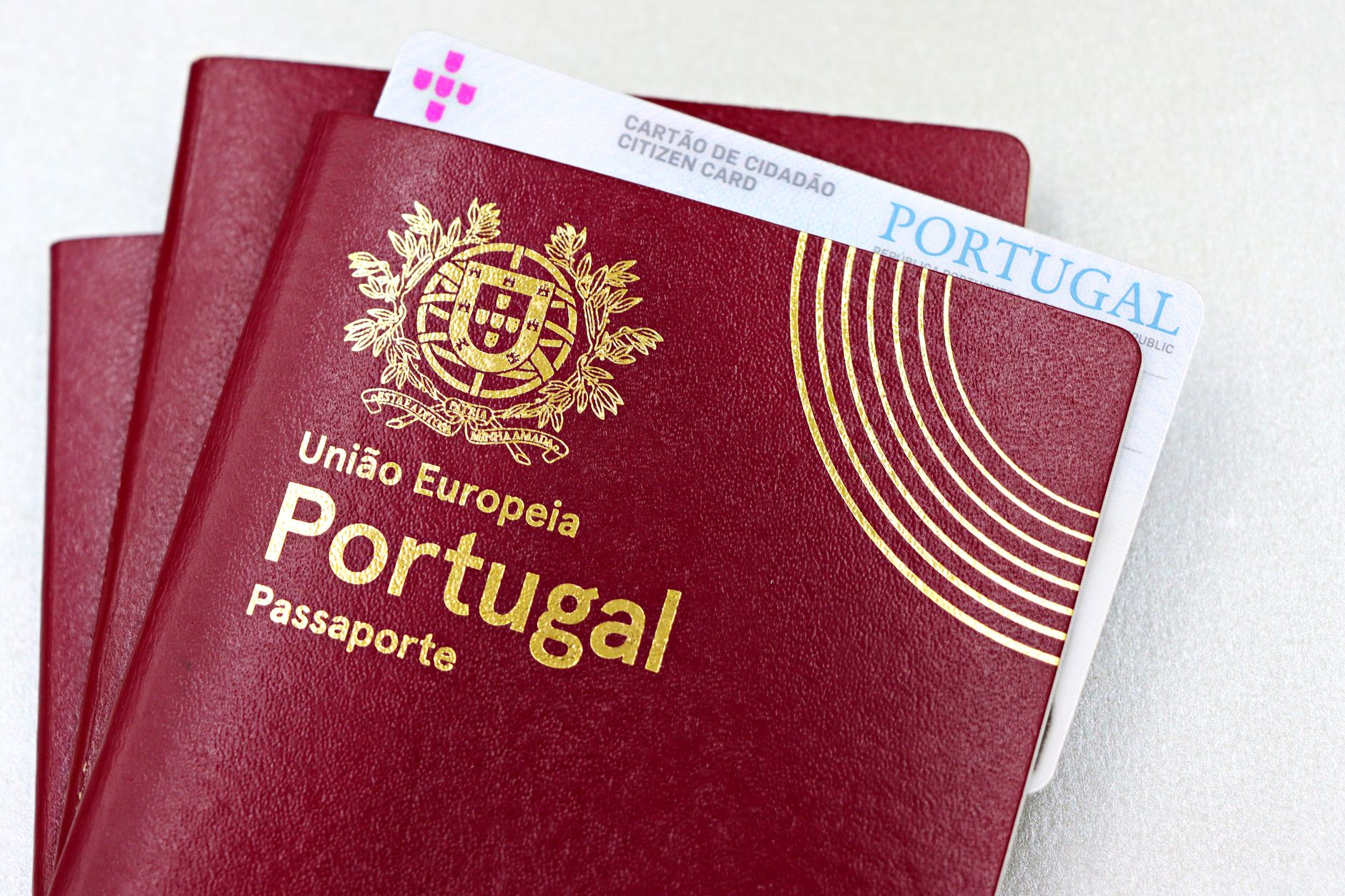
If you are figuring out how to plan a Europe trip with ETIAS in 2026, start with one important fact: ETIAS is not a visa, and the official system is not accepting applications yet. The European Union says it is scheduled to begin in the last quarter of 2026, but it will announce the specific start date before launch. That means your planning checklist depends on when you travel, your nationality, your passport, and which countries are on your route.
This guide turns the changing rules into a practical trip-planning process. It is not legal advice, and border requirements can change. Before paying for non-refundable travel, confirm your situation on the official EU ETIAS website rather than relying on a social post or a third-party application site.
1. Check whether ETIAS applies to you
ETIAS is intended for visa-exempt non-EU nationals making short visits to 30 participating European countries. The official list includes the United States, Canada, the United Kingdom, Australia, New Zealand, Japan, South Korea, and many other visa-exempt countries and territories. If you normally need a Schengen visa, ETIAS generally is not the correct process. EU and Irish citizens also do not need ETIAS.
Do not assume that “Europe” is one entry zone. Ireland does not require ETIAS, while countries including France, Spain, Italy, Germany, Switzerland, Norway, Cyprus, Bulgaria, and Romania are on the ETIAS list. The United Kingdom is outside the system. Check every country on your itinerary, especially if your trip combines London, Dublin, and destinations in continental Europe.
2. Match the rule to your actual travel date
As of October 19, 2026, the official EU site says ETIAS is not operational and applications are not being collected. It also says the launch is planned for the final quarter of 2026. Do not pay anyone who claims they can secure an active authorisation before the official portal opens.
Add two reminders to your calendar: one before you book the expensive parts of the trip and another four to six weeks before departure. At each checkpoint, revisit the official site. If ETIAS starts between those dates, read the current transitional rules and apply through the official channel. Avoid writing a launch date into your plan as if it cannot move.
3. Audit your passport before building the route
Your ETIAS authorisation will be electronically linked to the passport used in the application. The EU advises that the travel document should be less than 10 years old and valid for at least three months after your intended departure from the countries requiring ETIAS. Some travellers and document types have additional conditions.
If your passport is close to expiring, renew it before applying. A new passport means a new passport number, and an ETIAS attached to the old document will not transfer automatically. Make sure the spelling, document number, nationality, and dates in the application exactly match the passport you will carry. This simple check is more important than polishing the order of your museum reservations.
4. Design a route that respects the 90/180-day rule
ETIAS does not create extra time in Europe. A valid authorisation supports short stays, normally up to 90 days in any rolling 180-day period across the participating area. Previous travel can count, so a new calendar year does not automatically reset your allowance. Cyprus is treated separately for this calculation under the current official guidance.
For a normal one- or two-week vacation, the limit is unlikely to be difficult. It matters much more for long trips, repeat visits, remote-work plans, and routes that move in and out of the area. Write down every recent entry and exit date and use an official stay calculator when needed. If you are still choosing cities, our step-by-step Europe trip guide explains how to build a logical route without exhausting transfers.
5. Prepare the ETIAS application inputs
When applications open, use the official website or official mobile app. The current EU guidance says applicants will provide personal and passport details, contact information, occupation and education details, information about the intended stay, and answers to eligibility and security questions. The stated fee is €20, with exemptions for some applicants, including people under 18 or over 70 and certain qualifying family members.
Many applications are expected to be decided quickly, but some can require additional information or an interview and take longer. Apply well before departure instead of treating the process like online flight check-in. Save the confirmation email and verify that the authorisation remains valid, but remember that ETIAS approval does not guarantee admission; border officials still decide whether entry conditions are met.
6. Book the trip in a safer order
A sensible booking sequence reduces both financial and border risk:
- Confirm eligibility and passport validity. Resolve renewals or visa questions first.
- Sketch a route and budget. Keep the first version flexible and geographically compact.
- Check cancellation terms. Prefer refundable accommodation and changeable transport while requirements remain unsettled.
- Apply when the official system is live. Use the same passport you will carry.
- Lock in limited inventory. Finalize expensive rail legs, timed attractions, and non-refundable bookings after the critical document checks.
Tools serve different jobs here. Rome2Rio is useful for comparing broad transport options, Wanderlog can organize reservations, and airline tools such as IATA Travel Centre or Sherpa can help surface entry-rule questions. None replaces official government guidance. For the itinerary itself, Travo can turn your dates, destinations, and preferences into a day-by-day plan that you can verify against your bookings.
7. Build a border-ready document folder
Keep one secure digital folder and one offline backup with your passport scan, ETIAS confirmation once available, travel insurance, return or onward ticket, first-night accommodation, essential reservations, and emergency contacts. Carry the physical passport connected to your authorisation. A screenshot of a different passport or an expired document will not solve a mismatch at boarding.
Also separate ETIAS from the Entry/Exit System, or EES. ETIAS is a pre-travel authorisation for eligible visa-exempt visitors; EES records border entries and exits for short-stay non-EU travellers. You do not purchase an EES authorisation. Knowing the difference helps you ignore misleading services that bundle unrelated requirements.
8. Turn compliance into a realistic itinerary
Entry preparation should support the trip, not consume it. Once the route is viable, limit hotel changes, allow time between airports and city centres, and place flexible activities on arrival days. If the trip crosses several countries, use our multi-city trip planning guide to reduce backtracking. Travellers watching costs can pair it with this budget Europe planning guide.
You can also start with Travo to generate a coherent route, then check each border, transport, and opening-hour assumption against primary sources. That division of labor is useful: let the planner organize the trip while official authorities remain the source of truth for entry rules.
ETIAS 2026 planning checklist
- Verify whether your nationality and passport type are eligible for ETIAS.
- Check every destination, including transit points where you may pass border control.
- Confirm your passport age and post-trip validity.
- Review previous stays against the rolling 90/180-day limit.
- Recheck the official launch status before booking and before departure.
- Apply only through the official ETIAS website or app after applications open.
- Use the same passport for the application, boarding, and border crossing.
- Keep flexible booking terms until the critical document steps are complete.
- Carry proof of your route, accommodation, insurance, and onward travel.
Frequently asked questions
Can I apply for ETIAS now?
No. As of October 19, 2026, the official EU website says ETIAS is not operating and no applications are being collected. Check the official site for the announced opening date.
Is ETIAS a visa?
No. It is a travel authorisation for eligible visa-exempt travellers visiting participating countries for short stays. Travellers who require a visa should follow the applicable visa process.
How long will ETIAS last?
The EU says an approved authorisation will be valid for up to three years or until the linked passport expires, whichever comes first. A replacement passport requires a new authorisation.
Does ETIAS cover the United Kingdom and Ireland?
No. Neither the United Kingdom nor Ireland is in the ETIAS country list. A route that includes them may involve separate entry requirements.
The bottom line
The safest way to plan a Europe trip with ETIAS in 2026 is to keep the rule connected to your real passport, dates, and route. Verify the launch status, use the official application channel, leave time for processing, and avoid non-refundable commitments until the essentials are clear. Then use Travo to shape a practical Europe itinerary with enough time to enjoy each stop.