
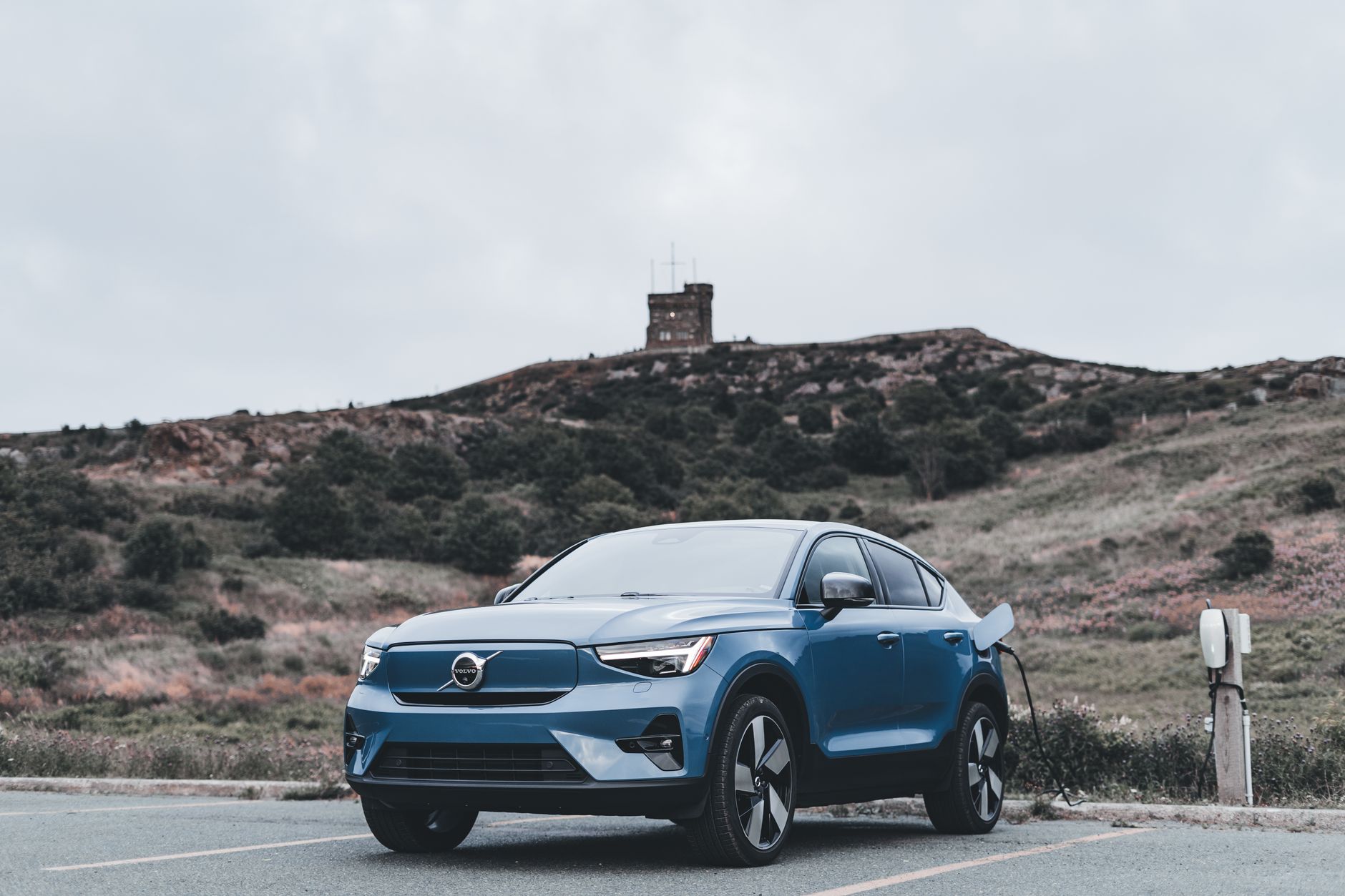
An electric vehicle road trip planner has a harder job than ordinary navigation. It must connect your destination stops while accounting for usable battery range, charger compatibility, charging speed, elevation, weather and the possibility that a station is busy or unavailable. A route that looks efficient on a normal map can become stressful when the only practical fast charger sits 20 miles beyond your comfortable range.
The solution is not to fill the battery to 100% at every stop. It is to build a resilient plan: choose a realistic range, place charging breaks where you would genuinely want to stop, keep backups, and connect the charging route to a usable daily itinerary. This guide shows you how.
What an EV road trip planner must know
Before searching for chargers, collect the inputs that change the route. Record your vehicle model and battery, starting charge, preferred arrival buffer and the connector or network access you can actually use. Then note the factors that may reduce real-world range: cold or very hot weather, high speeds, steep climbs, a roof box, towing and a heavily loaded cabin.
Do not plan from the dashboard's best-ever range. Use a conservative figure based on your recent highway driving in similar conditions. If conditions are uncertain, increase the arrival buffer rather than relying on a station at the edge of the battery. That margin gives you options when a charger is occupied, broken or harder to reach than expected.
Best tools for planning charging stops
No single app is best at every layer. The strongest setup usually combines a specialist EV router, a recent station-status source, live navigation and one itinerary that keeps the whole trip understandable.
- A Better Routeplanner (ABRP): useful for vehicle-aware energy estimates and suggested charging sessions. It is a strong starting point for comparing routes and seeing how speed, weather and arrival charge affect the plan.
- PlugShare: valuable for recent driver check-ins, photos, access notes and station reviews. Use it to verify whether the proposed stop is easy to enter, open at the right time and supported by practical backups nearby.
- ChargeHub: another useful charging-station map for network, connector and availability research, especially when you want a second source rather than trusting one directory.
- Tesla or the vehicle's built-in navigation: often the best live layer when the car can precondition its battery and update energy estimates as conditions change.
- Google Maps or Apple Maps: helpful for traffic, closures and the final approach, but do not assume a general map has enough vehicle-specific detail to be your only charging plan.
For the rest of the trip, Travo can turn your destinations, preferred pace and charging breaks into a day-by-day itinerary. That separates the energy problem from the experience problem: the specialist router protects your range, while the itinerary ensures the road trip is worth taking.
How to plan an EV road trip step by step
1. Set the non-negotiable stops
Start with the origin, destination, overnight stays and any timed reservation. Add only the attractions that justify the route. If you begin by collecting every possible charger and viewpoint, the map becomes noisy before the trip has a shape. The anchor-first approach in our guide to planning a road trip works especially well for EVs.
2. Run the route with your exact vehicle
Enter the correct model and battery into an EV-specific planner. Set a conservative departure charge and an arrival buffer you would be comfortable seeing in an unfamiliar place. Compare at least two routes. The shortest route is not always fastest if it relies on slow chargers, while a slightly longer highway route may have several reliable fast-charging choices.
3. Check every primary charging stop
Open each suggested station in a second source such as PlugShare. Confirm connector type, charging power, access hours, payment requirements and recent driver reports. Look at the physical location too. A charger behind a locked dealership gate or inside a paid garage may technically exist but still be a poor late-night stop.
4. Add a backup for each important leg
A backup is not another charger in the same parking lot. Choose a viable alternative before or after the primary stop, within the battery margin you expect to have. Save its address and network app in advance. On sparse routes, identify a slower charger that could recover enough range to reach the next fast station if necessary.
5. Turn charging into a useful break
Fast charging is easiest when it overlaps with something you already need: lunch, groceries, a walk or a restroom break. Avoid building a perfect sightseeing schedule that assumes every session takes exactly the advertised minimum. Arrival state of charge, battery temperature, charger sharing and the vehicle's charging curve all influence the real stop time.
Use Travo's AI trip planner to balance those breaks with attractions and meals instead of treating charging as dead time. You can also compare broader options in our guide to the best road trip planner apps.
6. Recheck the route shortly before departure
Station reliability, road closures and weather can change after you save the trip. Review the plan the day before departure and again before a remote leg. Download essential maps, station locations and booking details for areas with weak service. Update the vehicle software and charging-network apps, and make sure payment methods work before you depend on them.
Use the charging curve, not just the charger's headline speed
A charger labelled 350 kW does not guarantee your vehicle will accept 350 kW. The car's maximum rate, battery temperature and current state of charge all matter. Many EVs charge fastest at a lower state of charge and slow substantially as the battery fills. That is why several well-placed sessions can be quicker than waiting for 100% at every stop.
Treat any “charge to 80%” rule as a starting point rather than a command. On a dense corridor, leaving earlier may save time because another reliable charger is close. Before a remote mountain or desert leg, charging higher can be sensible. Plan for the next safe option, not a universal percentage.
Estimate the real cost
Charging prices may be billed by energy, time or session, and parking or idle fees can change the total. Estimate each leg from expected energy use, then check the network's current pricing. Include home charging before departure, paid public sessions, parking, tolls and any hotel charging fee. Our trip cost estimator gives you a complete framework for lodging, meals and activities too.
Do not choose a difficult detour solely to save a small amount on charging. Extra miles consume energy and time, and an unreliable bargain station can cost more than a dependable stop near the route.
Common EV road trip planning mistakes
- Using official range as a promise: highway speed, weather and load can make the real number different.
- Relying on one charging stop: every critical leg should have a workable alternative.
- Ignoring access details: check gates, garage hours, hotel restrictions and payment methods.
- Overpacking each driving day: charging, meals and detours need time, even when every station works.
- Planning once and never updating: recheck conditions and let live in-car navigation respond during the drive.
A practical pre-departure checklist
- Save the primary and backup chargers for every long leg.
- Install the required network apps and verify payment.
- Check tires, charging cable and any connector adapters approved for your vehicle.
- Download offline maps and keep accommodation details available.
- Share the itinerary with a travel companion and schedule realistic rest breaks.
- Use the car's live energy estimate while driving; stop safely before changing the plan.
Build a road trip that works beyond the charger map
The best electric vehicle road trip planner is a small stack: an EV-specific router for energy, a community or network source for station verification, live vehicle navigation for changing conditions, and an itinerary for the actual travel experience. With conservative buffers and real backups, charging becomes part of the rhythm rather than the focus of the trip.
Build your personalized EV road trip with Travo, then verify the charging legs in the specialist tools that support your vehicle.