
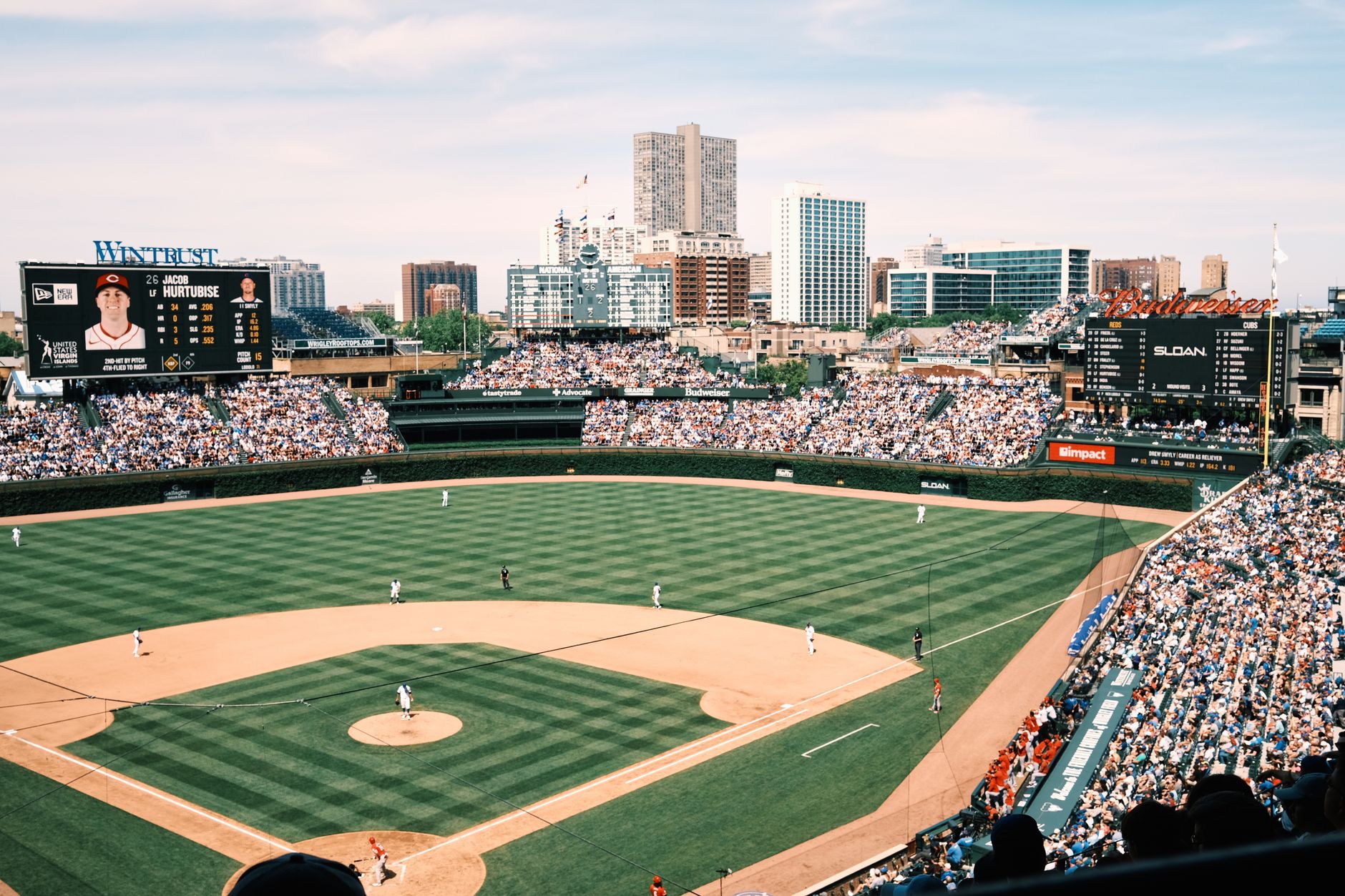
A baseball road trip looks simple on a map: choose a few ballparks, buy tickets, and drive. The hard part is that the route must fit the schedule. A team may be away when you arrive, a night game may end too late for a long drive, or one ambitious detour may turn the next day into a race. A useful baseball road trip planner therefore starts with game dates, not highway lines.
This guide shows how to turn a list of parks into a workable trip. It focuses on Major League Baseball, but the same process works for Minor League and independent parks. Use official schedules and venue pages for live details, then use an itinerary tool such as Travo's AI trip planner to organize the trip around those fixed events.
Start with a date window, not a dream route
Choose the earliest day you can leave and the latest day you must return. Then decide how many games you genuinely want to attend. Three games in five or six days often leaves more room for travel, city time, and weather changes than five games in five days. A dense schedule can work, but only when the parks are close and game times line up.
Open the official MLB schedule or the individual team schedules and list every possible home game inside your window. Do not book anything yet. Record the date, announced start time, opponent, city, and whether the game is essential or optional. Start times can change, so note when you checked them and plan to verify again.
If you are considering many parks, use a spreadsheet or specialist schedule tool to create a shortlist. Baseball-RoadTrip.com lets users choose parks and a travel window, while Bases Roaded searches trips by dates and cities. These tools solve schedule matching. They do not replace ticket, hotel, transport, or venue verification.
Choose a compact ballpark cluster
The best first route is usually regional. A cluster reduces driving and gives you alternatives when the schedule does not cooperate. Examples include New York and Philadelphia, Chicago and Milwaukee, or a California route built around whichever teams are home during your dates. These are route ideas, not promises that games will align in a particular week.
Score each candidate route on four questions:
- Schedule fit: Are the teams home on consecutive or near-consecutive days?
- Travel fit: Can you move between cities without driving immediately after every game?
- Budget fit: Are tickets, parking, hotels, fuel, tolls, or rail fares acceptable?
- Trip fit: Is there time for the cities themselves, or is the trip only parking lots and highways?
Remove any park that forces a fragile overnight transfer or an expensive one-night detour. If you want a broader route, use the pacing rules in the cross-country road trip planner. The goal is not to collect the maximum number of stadiums. It is to enjoy the games you selected.
Build the itinerary backward from first pitch
Treat every game as a fixed appointment. Work backward from the planned arrival time at the park. Include parking or transit, security, ticket access, a meal, hotel check-in, and a buffer. The official MLB ballpark guides link to venue information, but each club's current page remains the source for its rules and procedures.
A practical game day may look like this:
- Morning: breakfast and one flexible city activity.
- Early afternoon: return to the hotel, charge devices, and confirm tickets.
- Before the game: travel to the park with enough time for queues and unfamiliar transit.
- After the game: return to the hotel rather than beginning a long intercity drive.
Place longer drives on non-game mornings. Keep the afternoon before a night game light. After a day game, a short transfer can be reasonable, but protect a fallback if the game runs long. For a full route-planning checklist, see how to plan a road trip.
Add one buffer that can actually save the trip
Weather, extra innings, traffic, and transport delays do not care about a perfect spreadsheet. Add at least one flexible block to a multi-city itinerary. That could be an open morning, a night without a ticket, or an optional final park. A buffer is more useful than squeezing in another attraction between two fixed events.
Make a fallback list for each city: a museum, neighborhood walk, stadium tour, or food stop that does not depend on another game. Do not assume a tour is available just because the park is there. Confirm directly with the venue. If a game is postponed, your fallback should keep the day useful without forcing an immediate rebuild of the whole route.
Budget by travel day and game day
Separate fixed costs from flexible costs. Fixed costs include booked tickets and prepaid rooms. Flexible costs include food, fuel, parking, local transit, tolls, and optional activities. This makes it easier to see what can change when the schedule changes.
Create a small budget for each day rather than one vague total. A game day may have higher ticket and food costs but little driving. A transfer day may have fuel, tolls, rail fares, or a one-way car charge. Use the trip cost estimator to build the categories, then replace estimates with current prices before booking.
Avoid buying several non-refundable items before the route passes a final timing check. Confirm that the arrival city, hotel check-in, venue access, and next morning's transfer can all work together. Cheap tickets are not a saving if they create an extra flight or an exhausting overnight drive.
Use the right tool for each job
No single planner should be treated as the source of truth for the entire trip. Use the official league and club pages for schedules, tickets, venue rules, and current notices. Use a mapping or navigation service for live roads and transit. Use specialist baseball tools to discover sequences of home games. Use a day-by-day itinerary planner to connect the games with travel, hotels, meals, and recovery time.
This separation matters because Travo is an AI trip planner, not an MLB schedule or ticketing service. Give Travo your selected cities, confirmed game dates, pace, interests, and budget preferences. It can help turn those constraints into an organized itinerary. You should still verify every time-sensitive detail with the relevant operator.
A simple baseball road trip planning workflow
- Set the exact travel window and maximum trip budget.
- List possible home games from official schedules.
- Group parks into compact regional routes.
- Choose the smallest route that meets your priorities.
- Estimate travel time, check-in time, and pregame buffer.
- Add a flexible block and one fallback activity per city.
- Build the day-by-day plan in Travo.
- Recheck schedules, tickets, venue rules, weather, and routes before booking and departure.
When the fixed game dates are ready, build your baseball road trip itinerary in Travo. Ask for a realistic pace, not the largest possible park count. Then compare the generated plan with official schedules and current travel times.
Common mistakes to avoid
- Routing first: A beautiful map is useless if the teams are away.
- Driving after every night game: Protect rest and move longer transfers to daylight hours.
- Ignoring check-in and parking: The drive time is only one part of arrival.
- Buying everything at once: Validate the complete sequence before locking non-refundable costs.
- Trusting stale details: Recheck schedules, start times, venue rules, weather, and transport.
- Planning only baseball: Leave time to experience the cities connecting the parks.
Build a route you will enjoy
A good baseball road trip planner does not simply connect stadiums. It respects fixed game times, realistic transfers, sleep, budget, and the reason you wanted to travel. Start with official home schedules, choose a compact cluster, and leave room for one change. Then create the day-by-day plan with Travo and verify the live details before you go.